Choosing the right soap can make all the difference in your skin’s health. With so many options on the market, it can be hard to know which is the best choice. After all, each skin type is unique, and what works for one person might not work for another.
To help you in this mission, here are some tips to make it easier to discover the best soap for you and your family.
Why is choosing the right soap important for South African skin?
Choosing the right soap plays a significant role in your skin’s health.
Did you know that the skin is the largest organ of the human body? Therefore, it deserves special care and a relaxing bath routine.
Using a product that doesn't suit your skin type can result in allergies, irritations, and skin conditions. Hence, it's essential to choose the right option that ensures effective cleansing without harming your skin’s health.
How to know if a soap is good quality
Choosing a quality soap goes beyond just liking its scent. It’s vital to find an option suitable for your skin. The best soap should cleanse without causing harm, maintain natural hydration, and protect against irritation.
Here are some key indicators for identifying a quality soap:
• Soap's pH: Ideal pH should be between 5 and 6 to match your skin's natural acidity
• Composition: Opt for soaps made with natural ingredients and proven active components
• Fragrances and Colourants: Avoid soaps with strong fragrances, colourants, or irritants that could cause allergies
• Dermatological Testing: Check if the soap is certified for safety and dermatological efficacy
• Fewer Additives: Choose soaps with fewer harsh chemical additives for healthier skin
5 steps to choosing the best soap for your skincare routine
Now it’s time to move from theory to practice. Try to maintain the habit of looking in the mirror daily and observing your skin's condition.
After all, healthy skin is also in a state of constant transformation. Here are some tips on how to choose a soap for yourself.
1) Know your skin type and its specific needs
Your skin type is crucial when choosing a soap. If you have dry skin, look for moisturizing soaps. For oily skin, soaps with ingredients that control oiliness can be more beneficial. And for sensitive skin, hypoallergenic and fragrance-free soaps are the best choice.
For sensitive skin, hypoallergenic and fragrance-free soaps are the best choice. Consider options like Protex Gentle Anti-Germ for daily gentle cleansing.
You can also consult a dermatologist to identify which ingredients are good for your skin and which ones should be avoided. This way, it’s easier to understand if your skin needs an antibacterial soap or components that:
Improve hydration
Prevent aging
Protect against UV rays
Lighten spots or control acne
Oily skin hydration needs
With a diagnosis in hand, you avoid using products that might worsen existing skin problems or cause new ones.
2) Choose soap for body, face, or intimate areas appropriately
Each body part has different needs concerning skin care, reflected in each area’s pH. For example, facial skin is more delicate and prone to irritation, requiring a soap with a pH closer to the skin’s natural, slightly acidic state.
Body skin can handle slightly more alkaline soaps, but it’s still essential to choose neutral products that maintain the skin's protective barrier, such as Protex Deep Clean. This soap strengthens your skin's natural defenses while gently removing oils and impurities from the pores.
For intimate areas, it’s best to use soaps with gentle, balanced formulas specifically made for these regions to avoid imbalances leading to infections. A great intimate soap option is Protex Gentle Anti-Germ Bar Soap
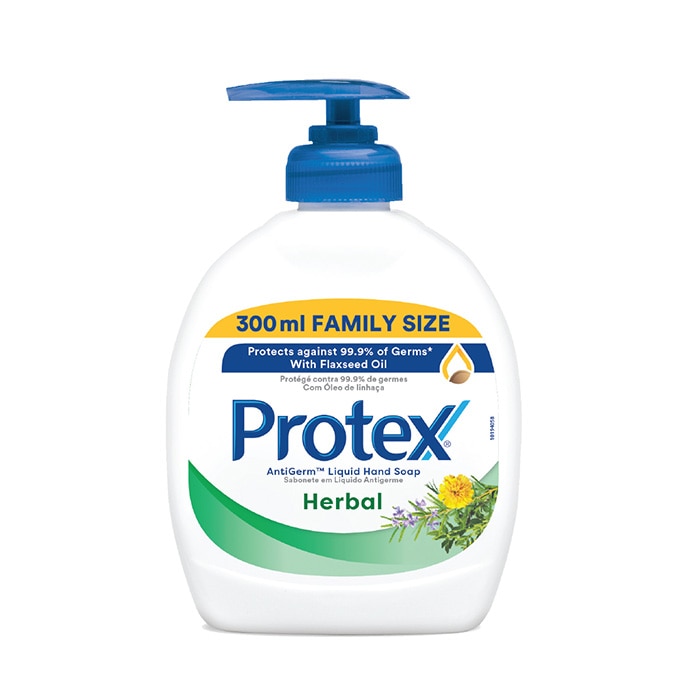
Soaps with natural ingredients in their formula, like Protex Herbal, or enriched with aloe vera, chamomile, or essential oils, are excellent for keeping skin hydrated and healthy.
Moreover, by avoiding sulfates, parabens, and artificial fragrances, you reduce the risk of skin irritation and allergies, as these components can be harsh, especially for sensitive skin.
3) Prioritise natural ingredients and avoid harsh chemicals
Soaps with natural ingredients in their formula, like Protex Herbal, or enriched with aloe vera, chamomile, or essential oils, are excellent for keeping skin hydrated and healthy.
Moreover, by avoiding sulfates, parabens, and artificial fragrances, you reduce the risk of skin irritation and allergies, as these components can be harsh, especially for sensitive skin.
For those interested in natural skin protection, learn more about flaxseed oil benefits for skin defence.
Check the soap's pH level for optimal skin compatibility
The pH (potential of hydrogen) determines the amount of hydrogen in a product. This helps ascertain whether a soap is more acidic, neutral, or alkaline.
The skin also has a pH level. In practice, when a soap’s pH is close to the skin’s (typically between 4.5 and 6.2), it helps preserve the acidic barrier and keeps the epidermis better protected against viruses and bacteria.
Remember: soaps with very high pH (alkaline) tend to strip the skin of its natural oils, causing dryness, irritation, itching, and even flaking.
5) Test the chosen soap on a small area first
Some people might be more sensitive to certain soap components. To avoid allergies caused by fragrances, colorants, or preservatives, it’s important to do a patch test.
[Author to complete: Add section on why patch testing is scientifically important - how allergic reactions develop, the difference between irritant and allergic contact dermatitis, and why reactions can be delayed]
With this precaution, you can see if the soap is compatible with your skin type.
The soap should not cause any kind of sensitivity, such as rashes, redness, or itching. You can do this test quite simply:
During your bath routine, choose a small skin area, like the forearm.
Apply a small amount of soap and let it act.
Rinse thoroughly with water and dry the area.
Then, monitor the area for up to 24 hours. If no irritation occurs, this might be the best soap for you.
But keep an eye out: some reactions might not be immediate. If you notice a negative skin reaction over time, it’s an indication that the adaptation isn't going well. In such cases, it’s best to stop using the product and seek a dermatologist’s advice promptly.
To reduce the chances of negative skin reactions, it’s crucial to choose quality products like Protex soaps that not only eliminate 99.9% of bacteria but also remove oils and impurities from the pores for cleaner and healthier skin. Optimal protection for your skin, from within!
FAQs About Choosing the Best Soap
How to choose the best baby soap?
It's important for baby soap to be mild, free from harsh chemicals that can irritate delicate skin. Ideally, the product should not have strong fragrances or colourants. Look for products specifically formulated for babies with gentle, tear-free formulas. So, pay attention to label information and choose trusted brands with dermatological testing.
What is the best soap for washing intimate parts?
The best soap is specifically formulated for this sensitive region, with balanced pH and gentle ingredients that respect the delicate balance of vaginal flora. Avoid regular body soaps in intimate areas, as they can disrupt natural pH levels and lead to infections or irritation.
What is the healthiest type of soap for daily use?
Soaps with natural ingredients and without harsh additives like sulfates, parabens, and artificial fragrances are considered the healthiest for the skin. Opting for soaps specific to your skin type and personal needs is also important for a healthy choice. Look for dermatologically tested products from reputable brands.
Can I use the same soap year-round in South Africa?
While you can use the same soap year-round, you might need to adjust your routine based on seasonal changes. During dry winter months, you may need more moisturising formulas, whilst summer humidity might require lighter, oil-controlling options.
How often should I change my soap?
You don't need to change your soap frequently if it's working well for your skin. However, monitor your skin's response and be prepared to switch if you notice irritation, dryness, or other issues developing over time.
Find your perfect Protex soap match
Ready to discover the ideal soap for your skincare routine? Explore the complete range of Protex antibacterial soaps designed specifically for South African skin needs and environmental conditions.
From moisture-locking formulas for dry skin to deep cleaning options for oily skin, find your perfect match today.
Discover Protex Products
The above article is provided for informational purposes only. Colgate does not accept any liability should the below recommendations have a contrary result to the intended result. Always seek the advice of a qualified doctor or dermatologist. Never disregard professional advice or delay seeking it because of something you have read in this article.