When it comes to well-being, skincare is essential for maintaining healthy skin, especially when dealing with South Africa's unique environmental challenges from coastal humidity to inland dryness.
After all, the skin is the largest organ of the human body, requiring special attention not just for aesthetic reasons, but also because it significantly influences overall health and acts as your first line of defence against environmental stressors.
There's an important detail: skincare needs vary based on skin type and environmental conditions. If the skin is drier, the needs differ from those of oily skin, and South Africa's diverse climate zones require tailored approaches.
Despite these differences, some secrets and tips are universal for anyone seeking perfect skin. Let's uncover how you can have healthy skin and long-lasting protection not just for yourself, but for the whole family!
Healthy skin is protected skin
You can't start a conversation about healthy skin without addressing protection, particularly in South Africa where UV levels can be extremely high year-round.
After all, unlike other organs, skin is exposed to the environment. It comes into contact with dirt, accumulates oil, and is exposed to the sun, which is beneficial to an extent but can be particularly intense in South African conditions.
So, remember this golden rule: protection is everything. It's not just about using sunscreen, as everyone knows, but also maintaining a thorough hygiene routine with products specifically designed for local conditions.
This depends on using the right products to keep your skin healthy, hydrated, clean, and well-protected against environmental challenges unique to South Africa.
You are what you eat: maintain a healthy diet for radiant skin
A balanced diet is crucial for skin health, and fortunately, South Africa offers abundant fresh produce perfect for skin-nourishing nutrition.
Include foods rich in antioxidants—like fruits and vegetables—to equip your body with the necessary nutrients to combat free radical damage from pollution and UV exposure.
Your diet should also include foods rich in fatty acids and omega-3s, such as fish (South Africa's excellent seafood), nuts, and seeds, to help maintain hydrated, radiant skin that can better withstand environmental stressors.
A good night's sleep treats your skin as well as a skincare session
During the night, all skin types regenerate, with sleep acting as an essential healing process. This is when your skin repairs daily damage from sun exposure, pollution, and environmental stressors.
Aim to sleep between 7 and 8 hours to support this renewal process effectively.
Also, your bedding matters: use cotton pillows and pillowcases to prevent friction, which can cause wrinkles and skin irritations during sleep. In South Africa's varying humidity levels, breathable cotton also helps prevent moisture buildup that could lead to skin issues.
Sun is good, in moderation
The secret to perfect skin begins with something simpler than you might think: managing sun exposure, which is particularly crucial in South Africa's high UV environment.
Prolonged exposure without sunscreen ages the skin and increases the risk of spots, burns, and even cancer - risks that are heightened in South Africa's intense sun conditions.
Always apply sunscreen with the appropriate SPF before leaving the house, even on cloudy days, as UV rays can penetrate cloud cover.
Don't forget to reapply every two hours, especially if you're swimming or sweating, which happens frequently in South Africa's warm climate.
Hydration from inside out
If you're wondering how to make your skin more attractive, here's a tip: keeping it hydrated is essential, particularly in South Africa's often dry inland conditions.
Behind every soft and glowing skin is always deep hydration. When discussing hydration, there are two key points to consider.
The first involves your water intake, hydrating your body from within. Drink at least 2 litres of water daily for youthful and beautiful skin - potentially more during South Africa's hot summer months or if you're at higher altitudes.
To complement hydration, use moisturisers to prevent dryness and work in reverse, hydrating from the outside in! For enhanced hydration benefits, learn more about skin moisturisation essentials.
Right products + care routine = healthy skin
Sun protection, diet, and sleep are important, but to have truly healthy skin in South Africa's challenging environment, a good daily cleansing routine is necessary.
Skincare is vital for removing impurities, makeup residues, and oil since these can clog pores and lead to acne and irritation, especially when combined with dust and pollution common in South African urban areas.
To prevent this, nothing beats antibacterial soap designed for local conditions.
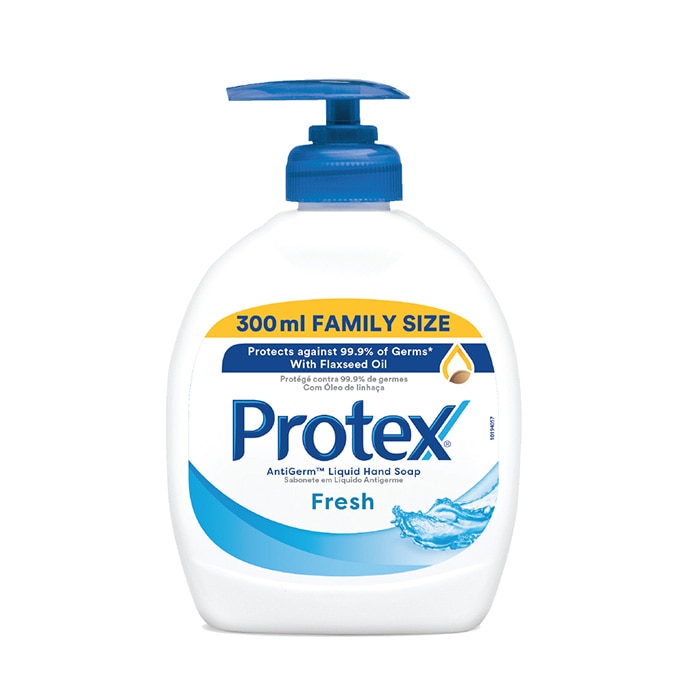
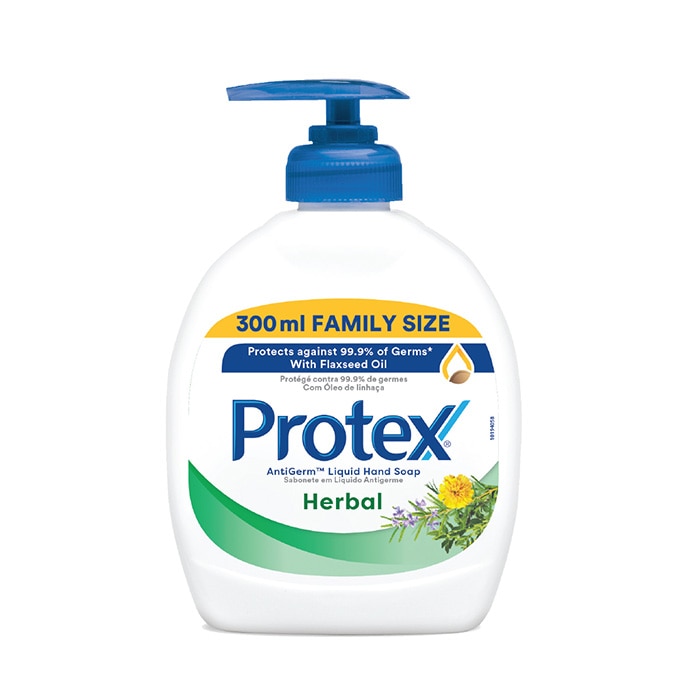
Want to keep your skin hydrated and protected for much longer? Then use the Protex antibacterial soap range for the whole family, which is dermatologically tested, removes 99.9% of bacteria, and offers prolonged protection.
For specific skin concerns, explore options like Protex Deep Clean for thorough cleansing or Protex Plus Moisture Lock for enhanced hydration.
How to know if you're taking good care of your skin
A little observation and touch can reveal some "clues" about healthy skin, and regular monitoring helps you adjust your routine for South Africa's changing conditions.
Check what you should focus on to determine if your skin needs care:
Appearance and Texture:
Healthy skin feels soft with a uniform appearance, free of blemishes or lesions. If you notice dry, rough, or flaky areas, it's a sign of dehydration or that it's time for exfoliation to remove dead cells.
Hydration:
Spotting fine lines might indicate that it's time to focus on hydration. Drink water throughout the day, use the appropriate moisturiser, and follow your cleansing routine with products that clean and maintain the skin's natural hydration.
Sensitivity:
Symptoms like redness, itching, irritation, or burning, especially after bathing, indicate your skin might be sensitive or reacting poorly to some product or external agent. It's essential to identify the cause and adjust your care routine to prevent future irritations.
For those dealing with specific concerns, read our guide on oily skin hydration care or understanding pimples and prevention.
Related reads for healthy skin:
Boost Your Skin's Germ Protection Defences with Flaxseed Oil Benefits
Skin Care Tips for Men
Cold and Flu Season Tips
Healthy skin maintenance checklist
• Protect skin from South Africa's intense UV rays daily
• Maintain a balanced diet rich in antioxidants and omega-3s
• Get 7-8 hours of quality sleep for skin regeneration
• Drink at least 2 litres of water daily (more in hot weather)
• Use dermatologically tested antibacterial soap
• Moisturise regularly to combat dry conditions
• Monitor skin changes and adjust routine seasonally
• Seek professional advice for persistent concerns
Frequently asked questions about healthy skin
Why is maintaining skincare important in South Africa?
Skincare is essential for preventing dermatological issues like acne, dryness, and premature ageing, particularly in South Africa's challenging climate. Investing in proper care also helps protect the skin from external damages like intense UV rays, pollution, and dust common in South African environments.
How to determine the skin type that needs care?
Regardless of skin type, some warning signs exist that indicate your skin needs attention: • Dryness or excessive oiliness • Flakiness or rough texture • Sensitivity or irritation • Persistent redness • Recurring acne breakouts • Early signs of ageing, like wrinkles and fine lines
Can skin appear more attractive during pregnancy?
During pregnancy, it's possible to enhance skin appearance by using products free from harmful substances, such as parabens and retinoids, and avoiding invasive treatments. Stay hydrated, use sunscreen regularly, and consult a dermatologist for specific and safe guidelines during this special time. For pregnancy-related skin concerns, read our guide on pregnancy and pimples.
How does South Africa's climate affect skin health?
South Africa's diverse climate - from humid coastal areas to dry inland regions - requires adaptable skincare routines. High UV levels year-round, seasonal variations, and urban pollution all impact skin health, making consistent protection and hydration essential.
What's the best daily routine for South African skin?
A good daily routine includes: morning cleansing with antibacterial soap, sunscreen application, evening cleansing to remove daily pollutants, and moisturising. Adjust products seasonally and increase hydration during dry periods.
Discover your perfect Protex skincare solution
Ready to unlock the secrets of healthy, protected skin? Explore the complete Protex product range designed specifically for South African families and environmental conditions.
From gentle formulations for sensitive skin to deep cleansing options for thorough protection, find your ideal skincare solution today.
Discover Protex Products
The above article is provided for informational purposes only. Colgate does not accept any liability should the below recommendations have a contrary result to the intended result. Always seek the advice of a qualified doctor or dermatologist. Never disregard professional advice or delay seeking it because of something you have read in this article.