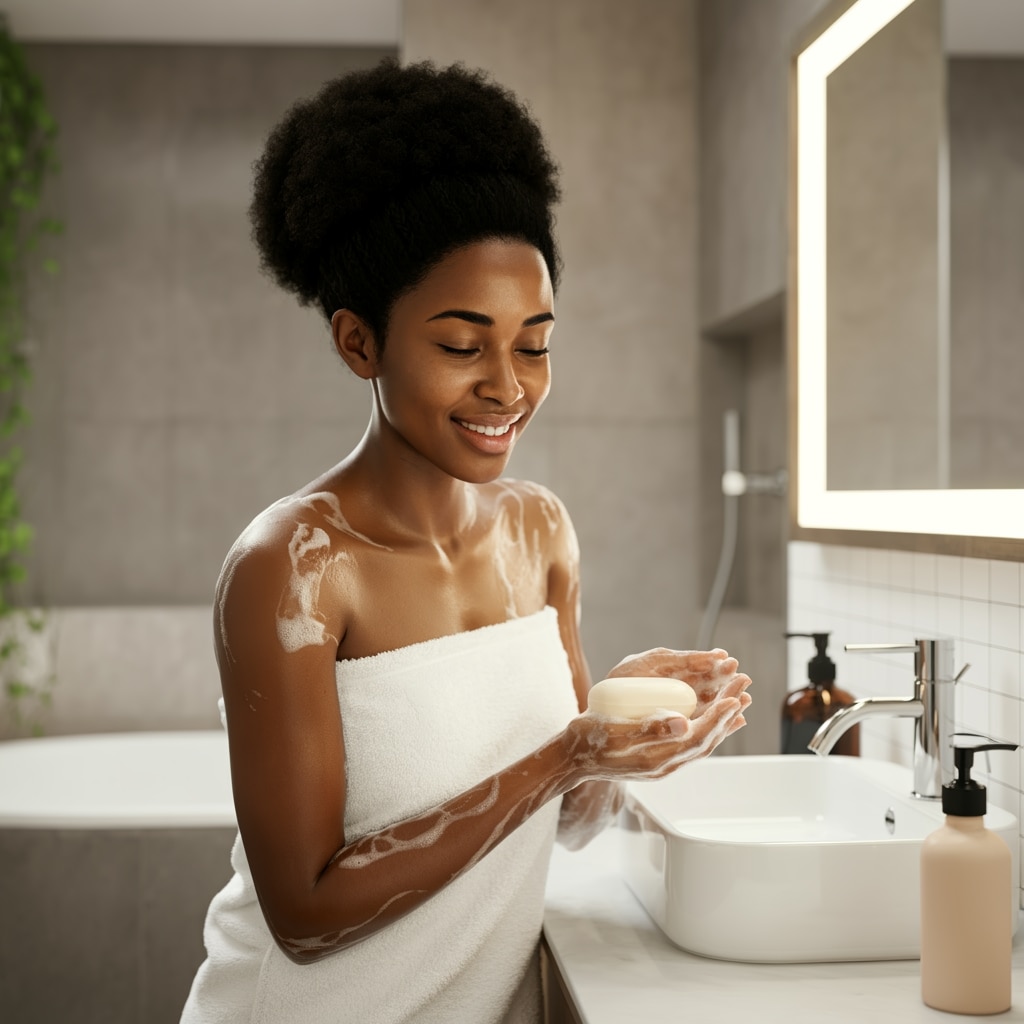
Knowing how to cleanse your skin is essential for maintaining its health and beauty over the years. As the largest organ and the first line of defence of the body, it encounters daily challenges that can affect its well-being.
In the rush of modern life, skin faces pollution, sun exposure, free radicals, and constant use of cosmetics, which increases the risk of issues like acne, dryness, and premature ageing.
By taking good care of your skin, you can help prevent all these problems and many others that may arise. In this content, discover six steps for doing a simple and easy skin cleanse at home that fits into your routine!
How to cleanse your skin with steps that fit into your routine
In addition to being a health care for your body, knowing the step-by-step of how to cleanse your skin prevents bad odours and enhances your self-esteem.
The secret to starting is discovering your skin type, making it easier to put all the other care practices into action.
Find out what you need to know about doing a skin cleanse at home.
6 simple skin cleansing tips for your daily routine
1) Know your skin type and shop the right products
You likely know there are different skin types: oily, dry, sensitive, combination, and normal. To find out yours, pay attention to these characteristics:
Oily:
Excessive shine, enlarged pores, and prone to pimples. For this type, choose products that control oiliness without drying out.
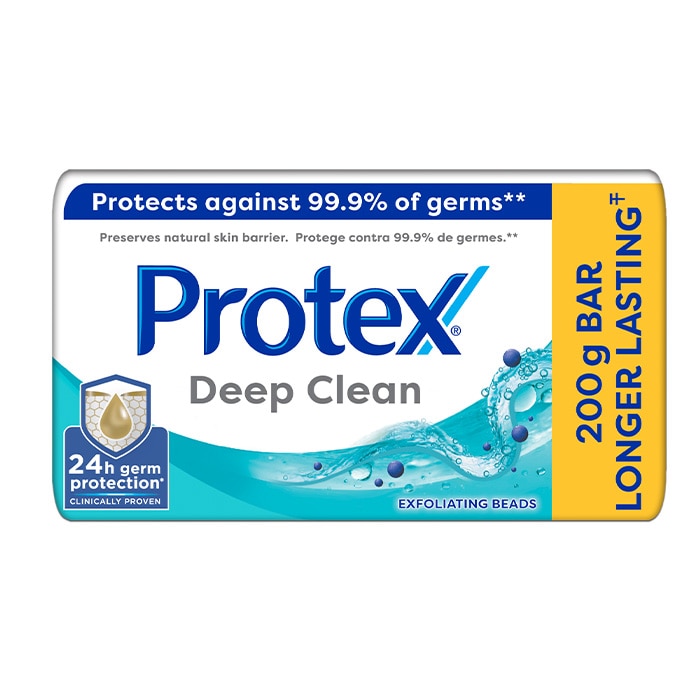
For Deep pore cleansing → Oil control
Protex Deep Clean AntiGerm → https://www.protex.co.za/products/protex-deep-cleaning-bar
Dry:
Feeling of tightness, flakiness, and dull appearance. Focus on maintaining hydration with natural ingredients like glycerin and shea butter.
If you need deep moisture protection: Enhanced hydration shop Protex Plus Moisture Lock
https://www.protex.co.za/protex-plus-moisture
Sensitive:
Easily irritated, redness, and itching. Opt for products with mild (or no) fragrances and calming ingredients like chamomile.
For a Gentle daily cleanse, Shop the
Protex Gentle Anti-Germ → https://www.protex.co.za/products/protex-gentle-anti-germ-175g
Combination:
Oily T-zone (forehead, nose, and chin) and dry cheeks. Use products that balance oiliness, like gel or serum moisturisers.
Normal:
Balanced texture and rarely has issues. Can use most products, preferring gentle and natural ones that are beneficial for all types.
For Fresh daily protection → Long-lasting clean
Protex Fresh Anti-Germ → https://www.protex.co.za/products/protex-fresh-soap
As you can see, each texture requires special care. Therefore, it's important to know your type to understand how to cleanse the skin correctly.
2) Prefer cold or lukewarm water when showering
Showering with very hot water might be tempting, especially on cold days, but it's not the best option.
Here's why:
- Hot water dries out the skin and hair
- Removes the natural oils that protect them
- Can cause irritation and itching
Cooler water promotes revitalisation. But don't worry, cool water doesn't mean ice-cold! The ideal is to find a comfortable temperature for your body.
If it's difficult to start with a lower temperature immediately, gradually decrease the temperature to allow your body to adjust comfortably.
3) Keep the shower short
While a long shower is super relaxing, excess water can also dry out your skin by stripping away its natural protective oils. So, it's best to opt for shorter showers to keep it healthy.
Use your phone's alarm to limit your shower to 5 minutes. This way, you help conserve water and keep the skin healthy.
To make this moment lighter, use a song of this duration as a timer. This brings more fun to your care ritual!
4) Use a good dermatologically tested body soap
Dermatologically tested products have their safety and efficacy proven by specialists, making them safe options for most people.
This is especially beneficial for:
- Babies and children
- People with sensitive or reactive skin
- People with a history of allergies to personal hygiene products
- People with skin conditions like eczema, atopic dermatitis, or psoriasis
However, remember that even dermatologically tested soaps can cause reactions in some people. It's important to note how your skin reacts to any new product and discontinue use if irritation occurs.
5) A weekly exfoliation is recommended
Exfoliating body skin once a week removes dead cells and impurities, promoting cell renewal and leaving the skin smoother and more radiant.
Additionally, exfoliation helps in the absorption of moisturisers and treatments and also prevents ingrown hairs. However, if your skin is sensitive, consider reducing this frequency to every two weeks or following your dermatologist's instructions.
Here's how to exfoliate properly:
- Choose an appropriate exfoliant: Look for a product that is gentle but cleanses deeply. Opt for a physical exfoliant (with granules) or a chemical one (with acids like AHA and BHA).
- Apply gently: Use gentle, circular motions when applying. There is no need to apply much pressure, let the product do its job.
- Finish with hydration: After exfoliation, skin may feel a little dry. Use a good moisturiser to restore moisture and maintain soft skin.
6) Apply body moisturiser after the shower
As soon as you get out of the shower, apply body moisturiser while the skin is still slightly damp.
This helps lock in moisture and maximise the benefits of the product.
Take the opportunity to massage your body with gentle, circular motions. This aids absorption, improves blood circulation, and provides a sense of relaxation.
Related reads for skin health:
Everything You Need to Know About Skin Moisturisation → https://www.protex.co.za/articles/everything-you-need-to-know-about-skin-moisturization
Does Oily Skin Need Hydration? → https://www.protex.co.za/articles/oil-skin-hydration-5-care-tips
Facts About Pimples | Causes, Prevention, and Treatment Tips → https://www.protex.co.za/articles/myths-and-truths-about-pimples
Daily skin cleansing routine checklist
- Identify your skin type before choosing products
- Use lukewarm water for showering (avoid hot water)
- Keep showers to 5 minutes maximum
- Choose dermatologically tested antibacterial soap
- Exfoliate once weekly (twice weekly for sensitive skin)
- Apply moisturiser immediately after showering on damp skin
- Massage gently to improve absorption and circulation
Frequently asked questions about skin cleansing
What really cleans the skin?
To clean the skin, it's important to choose products with active ingredients, such as antibacterial agents and gentle exfoliants. Liquid soaps and cleansing gels are great allies as they help remove dirt, oiliness, and dead cells, preparing the skin for the hydration that follows.
How to keep the skin clean and smooth?
Keeping the skin clean and smooth is a matter of routine. Investing in daily cleansing with products appropriate to your skin type is essential. Additionally, regular exfoliation and moisturiser application help maintain smooth texture and prevent blackhead and pimple development.
Which is better: in-shower moisturiser or the one used after?
Both are good for hydrating the skin. But for those colder days when you feel too lazy to apply cream after the shower, you can opt for the in-shower moisturisation — while in the shower — making use of open pores to deeply hydrate your skin.
How often should I exfoliate my skin?
For most skin types, once weekly exfoliation is recommended. However, sensitive skin should reduce this to every two weeks, whilst oily skin may benefit from twice weekly exfoliation.
Can I use the same soap for my face and body?
While some gentle, dermatologically tested soaps can be used on both face and body, facial skin is more delicate and may require specialised products with milder formulations
Find your perfect Protex match
Ready to upgrade your skin cleansing routine? Explore the full range of dermatologically tested Protex antibacterial soaps designed for every skin type.
Discover Protex Products
The above article is provided for informational purposes only. Colgate does not accept any liability should the below recommendations have a contrary result to the intended result. Always seek the advice of a qualified doctor or dermatologist. Never disregard professional advice or delay seeking it because of something you have read in this article.